Nur Ramadhan: A Display Font Merging Art and Tradition
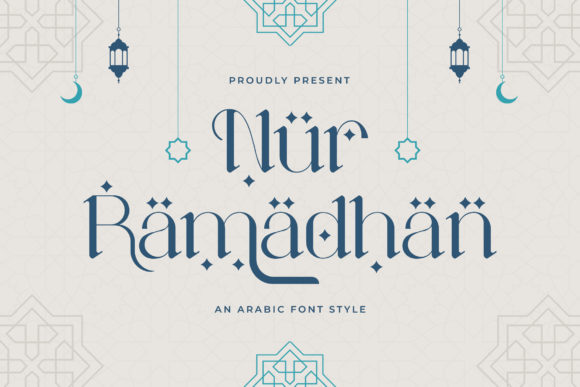
In the world of typography, certain fonts stand out not only for their aesthetic appeal but also for the cultural significance they carry. Nur Ramadhan is one such font that has captured attention with its unique blend of artistry and tradition. Inspired by the style and feel of Arabia, this display font offers a visually striking way to incorporate Islamic and Ramadhan themes into design projects. Whether you're working on branding materials, digital content, or print media, Nur Ramadhan brings an elegant and meaningful touch.
The Cultural Roots of Nur Ramadhan
Typography has long been used as a medium to express identity and heritage. In many cultures, including Arab and Islamic traditions, calligraphy plays a central role in communication and visual expression. Nur Ramadhan draws inspiration from these roots, reflecting the beauty and fluidity characteristic of Arabic script. The name itself is symbolic—“Nur” means light in Arabic, while “Ramadhan” refers to the holy month of fasting and spiritual reflection in Islam. This duality highlights the font’s purpose: to illuminate design with cultural depth during one of the most significant times in the Muslim calendar.
The font's creators have skillfully translated traditional calligraphic forms into a modern, digital format without losing the essence of the original. Each character is crafted with attention to detail, ensuring that the overall look remains harmonious and legible, even at large sizes where it is typically used.
Key Characteristics of Nur Ramadhan
- Elegant Calligraphy Style: The flowing curves and ornate flourishes mimic the grace of classical Arabic calligraphy, making it ideal for artistic and expressive purposes.
- Versatile Design: While inspired by traditional aesthetics, Nur Ramadhan maintains enough structural flexibility to be applied in various contexts, from logos to event posters.
- High Contrast and Legibility: Despite its decorative nature, the font ensures clear differentiation between characters, especially when used in high-contrast color schemes.
- Unicode Support: Designed to support multiple languages, Nur Ramadhan is accessible to a global audience and can be used in multilingual projects involving Arabic or other scripts.
These characteristics make Nur Ramadhan more than just another display font; it is a bridge between historical artistry and contemporary design needs. Its balance of tradition and modernity allows it to fit seamlessly into both classic and innovative layouts.
Applications in Branding and Marketing
Branding is all about creating a memorable and authentic identity. For businesses operating in the Islamic culture or those looking to connect with Muslim audiences, using a font like Nur Ramadhan can enhance the emotional resonance of their message. It adds a layer of authenticity and respect that aligns with cultural values.
For example, a local bakery might use Nur Ramadhan for its logo during Ramadhan to promote special iftar meals. Similarly, fashion brands launching modest wear collections often leverage such fonts to create a cohesive visual theme that speaks directly to their target market. The font’s ability to evoke a sense of tradition while remaining visually appealing makes it a powerful asset in marketing strategies focused on Ramadan or Islamic events.
Design Use Cases for Nur Ramadhan
Nur Ramadhan is particularly effective in projects that benefit from bold, expressive typography. Here are some common use cases where it shines:
- Logos and Branding: Its distinctive style helps establish a strong brand identity for companies in sectors like religious institutions, Islamic education, or Ramadan-related services.
- Event Posters and Invitations: Whether announcing a community gathering, Eid celebration, or Quran recital, Nur Ramadhan enhances the visual appeal of printed and digital invitations.
- Web and Mobile UI Elements: When used sparingly in user interfaces, it can highlight important text such as headings or calls to action, adding a touch of elegance without compromising usability.
- Print Media and Publications: From magazines to book covers, Nur Ramadhan provides a rich typographic experience suitable for editorial design that celebrates Islamic heritage.
- Social Media Graphics: Creators who focus on Islamic content, such as motivational quotes or educational posts, can utilize Nur Ramadhan to captivate their audience with culturally relevant visuals.
Its adaptability across mediums showcases how thoughtful typography can elevate any project. Educators preparing presentations about Islamic history or scholars publishing academic works may find Nur Ramadhan useful for its thematic consistency and readability.
Technical Considerations and Best Practices
While Nur Ramadhan is visually captivating, there are several technical aspects to consider when implementing it into your designs:
- Font Licensing: Ensure that you have the appropriate license for commercial use, especially if the font will appear in logos, advertisements, or product packaging.
- Color Pairing: Because of its ornate style, Nur Ramadhan pairs well with deep, rich colors such as navy blue, gold, or maroon. These combinations help maintain contrast and clarity.
- Layering with Other Fonts: To avoid overwhelming the viewer, pair Nur Ramadhan with simpler sans-serif or serif fonts for body text. This creates a balanced hierarchy and improves overall readability.
- Spacing and Kerning: Given its decorative nature, careful adjustment of spacing and kerning is recommended to ensure the text remains visually pleasing and easy to read.
- Platform Compatibility: Test the font across different devices and platforms to confirm that it renders consistently, especially on mobile screens where legibility is crucial.
By considering these elements, designers can maximize the impact of Nur Ramadhan while maintaining functional design standards. Proper implementation ensures that the font enhances rather than hinders the user experience.
Comparative Insights and Alternatives
When choosing a display font for Islamic-themed work, it's essential to understand how Nur Ramadhan stacks up against similar options. Many Arabic-inspired fonts exist, but few manage to capture the spirit of Ramadan quite like Nur Ramadhan does. Compared to more rigid or formal scripts, Nur Ramadhan offers a softer, more inviting appearance, which is perfect for seasonal promotions or spiritual messaging.
Fonts like Droid Arabic Kufi, Aref Ruqaa, or Amiri are popular choices for Islamic designs due to their readability and traditional structure. However, Nur Ramadhan distinguishes itself with a more stylized approach that appeals to creative and artistic applications. Hobbyists experimenting with custom typefaces or educators designing interactive learning tools may find Nur Ramadhan more engaging than standard alternatives.
Still, it’s worth noting that Nur Ramadhan is best suited for short texts. For longer passages, opting for a complementary font that supports better line flow and readability is advisable. This combination can create a visually dynamic layout that respects both form and function.
Impact on User Experience and Engagement
From a user experience (UX) perspective, Nur Ramadhan can significantly influence how users perceive and interact with a design. In branding, for instance, the right typography can reinforce trust and familiarity. Users encountering Nur Ramadhan in a Ramadan campaign or educational platform may associate the font with sincerity, tradition, and cultural relevance.
Creators using this font in social media or video content should also consider how it affects engagement. The ornate yet readable style encourages viewers to pause and take in the message, potentially increasing time spent on the page or post. Business owners leveraging it for storefront signage or packaging can expect a stronger emotional connection with customers who value cultural representation in their surroundings.
However, overuse or improper pairing can lead to cluttered visuals. Striking a balance between aesthetic appeal and practicality is key to ensuring that the design communicates effectively and professionally.
Current Trends and Future Relevance
As global interest in culturally rich design continues to grow, fonts like Nur Ramadhan are becoming increasingly popular among professionals and hobbyists alike. The rise of inclusive design practices and the demand for localized content have made it more important than ever to offer typographic solutions that reflect diverse identities and traditions.
One notable trend is the integration of traditional Arabic calligraphy into modern branding, especially for startups and SMEs aiming to build a unique identity. Nur Ramadhan fits perfectly into this movement, providing a ready-to-use solution for those seeking to infuse their projects with the warmth and symbolism of Ramadan.
Looking ahead, we may see Nur Ramadhan adapted into animated or interactive formats for web and app design. As digital experiences become more immersive, the potential for integrating such fonts into motion graphics or hover effects could open new avenues for creative expression. Researchers and educators might also explore its use in digital storytelling or virtual exhibitions that highlight Islamic culture.
Practical Tips for Using Nur Ramadhan Effectively
To get the most out of Nur Ramadhan, consider the following tips:
- Use it for Headlines: Nur Ramadhan is designed to be eye-catching, so it works best in titles, banners, or any element meant to draw immediate attention.
- Limit Character Count: Due to its decorative nature, keep text concise when using Nur Ramadhan. Long paragraphs may become difficult to follow.
- Experiment with Backgrounds: Try placing Nur Ramadhan text over subtle textures or gradients to enhance its visual presence without causing distraction.
- Test Across Devices: Confirm that the font looks good on both desktop and mobile displays. Some characters may scale differently depending on the screen size.
- Combine with Cultural Imagery: Pair Nur Ramadhan with imagery related to Ramadan, such as crescent moons, lanterns, or verses from the Quran, to create a unified and thematically rich design.
These guidelines ensure that Nur Ramadhan remains a valuable tool in your design arsenal, enhancing the visual and emotional impact of your work without compromising usability.
Conclusion
Nur Ramadhan represents a thoughtful fusion of art and meaning, offering designers a powerful option for projects rooted in Islamic and Ramadan themes. Its elegant calligraphy style, versatility, and cultural resonance make it a standout choice for branding, event design, and educational materials. By understanding its strengths and limitations, professionals and enthusiasts can harness its potential to create compelling, respectful, and aesthetically rich content.
Whether you're a business owner looking to refresh your brand for the holy month, a designer crafting a themed poster, or an educator developing a presentation on Islamic traditions, Nur Ramadhan can serve as a meaningful addition to your toolkit. Its thoughtful design reflects both craftsmanship and intent, proving that typography can be much more than just letters—it can tell a story, convey emotion, and honor tradition in every stroke.