Ramadan Kareem: A Font with Cultural and Design Significance
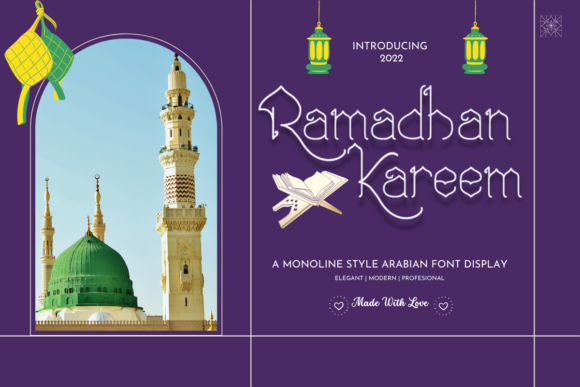
Ramadan Kareem is not just a greeting but also the name of an original display font that embodies the spirit and aesthetics of Islamic culture. Designed with a distinct Arabic feel, this font combines visual appeal with cultural relevance, making it a popular choice for designers working on projects related to Ramadan, Islamic themes, or Middle Eastern-inspired branding. Whether you're creating digital content, designing a logo, or preparing promotional materials for a fashion business, understanding how and when to use Ramadan Kareem can help you make more informed design decisions.
What is Ramadan Kareem?
Ramadan Kareem translates to "Generous Ramadan" in English, often used as a respectful way to greet others during the holy month of Ramadan. As a display font, it takes inspiration from this traditional phrase and its calligraphic roots in Arabic script. The font's design reflects the elegance and fluidity associated with Islamic art and typography, while maintaining legibility and adaptability for modern design applications.
This typeface is crafted to stand out visually without compromising readability. It features decorative strokes, open counters, and a balanced structure that gives it a unique identity suitable for both print and digital platforms. Its aesthetic aligns well with themes of spirituality, tradition, and cultural pride, particularly relevant in contexts where Islamic heritage is celebrated or represented.
Why Consider Using Ramadan Kareem?
Designers and businesses may be drawn to Ramadan Kareem for several reasons:
- Cultural Authenticity: The font offers a genuine representation of Arabic aesthetics, which is essential for projects aiming to honor Islamic traditions.
- Memorability: With its distinctive style, Ramadan Kareem helps create a strong visual identity that can make logos, banners, and other designs more memorable.
- Versatility: Though designed for specific cultural purposes, the font can be adapted to various industries such as fashion, hospitality, and education.
- SEO and Web-Friendly: Ramadan Kareem is optimized for web use, ensuring compatibility across devices and screen sizes without losing quality.
For those involved in Islamic-themed marketing campaigns, Ramadan Kareem provides a ready-made typographic solution that resonates with the target audience. It can also serve as a valuable tool for educators, publishers, and developers of Islamic apps or websites looking to enhance their visual storytelling.
Benefits and Tradeoffs of Using Ramadan Kareem
Using Ramadan Kareem can offer multiple benefits depending on your project’s goals:
- Enhanced Branding: Incorporating a culturally significant font like Ramadan Kareem can strengthen the brand identity for businesses operating within or targeting Islamic markets.
- Emotional Connection: The font's design can evoke feelings of respect, tradition, and community—important elements during Ramadan and in Islamic celebrations year-round.
- Visual Appeal: Its ornate and artistic nature makes it ideal for posters, social media graphics, and editorial layouts where impact is key.
However, there are also tradeoffs to consider. While Ramadan Kareem is excellent for display purposes, it may not be the best option for body text due to its stylized form. Overuse or improper pairing could lead to cluttered or unreadable designs, especially in long-form content or small-sized text.
Another consideration is accessibility. Highly stylized fonts can sometimes pose challenges for users with visual impairments or for screen readers if not implemented correctly. Always ensure your use of Ramadan Kareem supports inclusivity by complementing it with accessible fonts for primary text and using appropriate contrast ratios.
When Ramadan Kareem is a Strong Fit
Ramadan Kareem is most effective in the following scenarios:
- Islamic Websites and Blogs: Ideal for headings, titles, or accents in sites focused on Islamic teachings, events, or community engagement.
- Social Media Campaigns: Particularly useful during Ramadan for posts, stories, and promotions that aim to connect emotionally with followers.
- Logos and Branding Materials: Businesses in the fashion, food, or hospitality sectors that want to reflect Islamic values or seasonal themes can benefit from its unique character.
- Print and Digital Posters: The font’s decorative yet readable style works well for event announcements, invitations, or educational materials related to Islam.
- Editorial Design: Used in magazines, books, or e-books about Islamic history, culture, or religious practices to add visual depth and authenticity.
Its bold and expressive nature ensures that it captures attention quickly, making it a great choice for short phrases, taglines, and headlines where impact is crucial. When used thoughtfully, Ramadan Kareem can elevate the overall design and convey a sense of reverence and celebration.
When Alternatives Might Be Better
While Ramadan Kareem has many strengths, there are situations where alternative fonts might be more appropriate:
- Body Text: For longer paragraphs or dense text blocks, a simpler and more legible font is usually better to maintain readability.
- Non-Islamic Projects: If the project does not have a direct connection to Islamic culture, using Ramadan Kareem may come off as forced or irrelevant.
- Minimalist or Modern Designs: In clean, contemporary layouts, a highly decorative font like Ramadan Kareem could clash with the overall aesthetic.
- International Audiences: If the design needs to appeal to a broad, non-Arabic-speaking audience, consider pairing it with a universal sans-serif font for clarity and balance.
In these cases, exploring alternatives such as Nafees, Quranic Script, or even custom-designed fonts tailored to your specific branding needs might yield better results. Always evaluate the context and purpose before finalizing your typographic choices.
Practical Tips for Using Ramadan Kareem Effectively
To get the most out of Ramadan Kareem, follow these practical insights:
- Pair with Simpler Fonts: Use Ramadan Kareem for headlines and pair it with a neutral, sans-serif or serif font for body text to maintain readability and visual harmony.
- Use Sparingly: Reserve this font for key visual elements rather than overusing it across all sections of your design. This prevents visual fatigue and maintains focus.
- Ensure Proper Licensing: Before using Ramadan Kareem commercially, confirm that it is properly licensed for your intended use case, especially if you plan to distribute or sell products featuring the font.
- Test Across Devices: Since it's recommended for web use, test how it renders on different screens and browsers to ensure consistent appearance and performance.
- Consider Contrast and Color: Choose colors and background contrasts that highlight the font’s intricate details without overwhelming the reader.
Additionally, think about the tone of your message. Ramadan Kareem carries a warm and respectful connotation, so it should ideally be used in contexts that reflect sincerity and cultural appreciation. Avoid using it for casual or humorous content unless the intent is to blend tradition with modernity in a tasteful way.
Aligning Ramadan Kareem with Your Goals
Deciding whether Ramadan Kareem fits your project requires evaluating your goals, audience, and design needs. Ask yourself the following questions:
- Do I need a font that reflects Islamic culture or tradition?
- Is my design focused on short, impactful statements or longer narratives?
- Am I targeting an audience familiar with or interested in Ramadan and Islamic customs?
- Will the font work well with the rest of my design system and color palette?
If your answer to these questions leans toward a need for cultural resonance and visual impact, then Ramadan Kareem could be an excellent fit. However, if your priority is clarity, minimalism, or broad accessibility, you might find other options more suitable.
Ultimately, the effectiveness of Ramadan Kareem depends on how well it aligns with your design objectives and audience expectations. It’s a powerful tool for the right projects but should be used intentionally and appropriately.
Final Thoughts
Ramadan Kareem is more than just a font—it's a design element rooted in meaning and cultural significance. Whether you’re creating a logo for a halal clothing line, designing a website for a Ramadan campaign, or producing social media content for an Islamic organization, this font can add a touch of authenticity and beauty to your work.
However, like any specialized font, it comes with considerations. Weigh its stylistic advantages against potential usability concerns to determine if it meets your specific requirements. By doing so, you can ensure that your design not only looks good but also communicates effectively with your audience.